Cognitive behavior therapy: basics and beyond
by Judith S. Beck

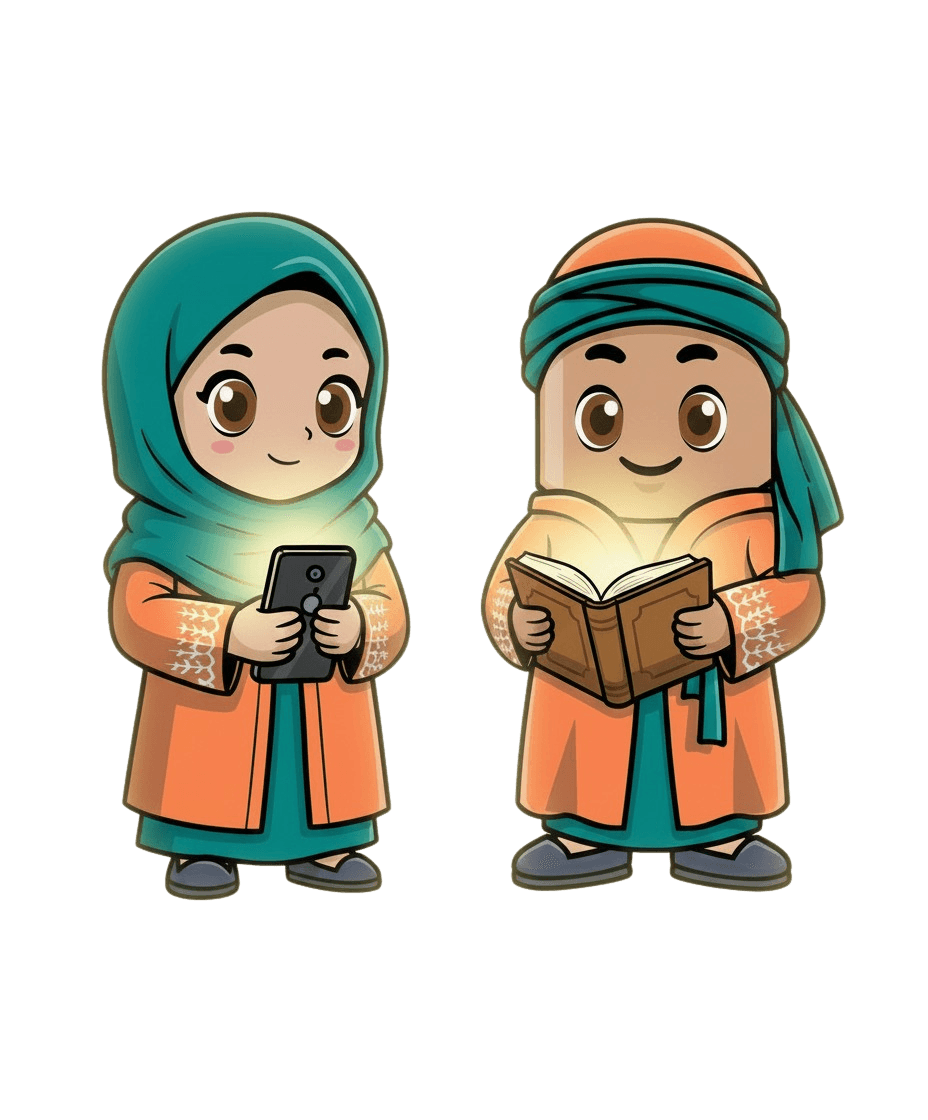
For centuries, Islamic scholarship has mapped the path of Tazkiyah (self-purification) to reveal our Fitrah (innate, pure nature): a profound wisdom now validated by modern neuroscience and behavioral psychology.
Islamic tradition
Tazkiyah · Fitrah
Sabiqoon
We unite the spiritual wisdom of Islam with evidence-based psychology for deep, lasting character change.
Modern science
neuroscience · behavioral psychology
The five principles Sabiqoon is built on
01
Neuroscience tells us that the brain is malleable; repeated thoughts and actions carve physical pathways in our neural circuitry. We can literally change our brain structure and chemistry for goodness.
Neuroscience tells us that the brain is malleable; repeated thoughts and actions carve physical pathways in our neural circuitry. Multiple studies have now proven that consistent, repeated actions change our brain structures - whether it is taxi drivers having larger posterior hippocampus (the storage site for spatial representation) or the long term practice of meditation increasing cortical thickness. We can literally change our brain structure and chemistry for goodness.
Source: Maguire et al., 2000
02
Motivation peaks when we are inspired but naturally wanes when we are tired, stressed, or busy. Instead, environmental design, behavioral modifications and the science behind habit building can lead to an easier transformation.
There is no need to rely on motivation. Motivation peaks when we are inspired but naturally wanes when we are tired, stressed, or busy. Relying on motivation to grow spiritually is a strategy designed to fail. Instead, environmental design, behavioral modifications and the science behind habit building can lead to an easier transformation.
Source: BJ Fogg, Tiny Habits
03
Therapy-based techniques can be guided by the Quran and Sunnah to retrain ourselves to embrace an Islamic worldview. They can ensure our character growth is rooted in your true identity: a servant of Allah.
Therapy-based (Cognitive Behavioral Therapy, Dialectic Behavioral Therapy) techniques can be guided by the Quran and Sunnah to retrain ourselves to embrace an Islamic worldview. Rather than being influenced by Western values, those techniques can ensure our character growth is rooted in your true identity: a servant of Allah.
04
We can lean into the Sunnah of Small Deeds to collect daily rewards. Sabiqoon rejects the 'overhaul' approach: we break complex virtues into 'bite-sized' micro-habits, actions so small they feel effortless.
We can lean into the Sunnah of Small Deeds to collect daily rewards. The Prophet Muhammad (peace and blessings be upon him) taught that the most beloved deeds to Allah are those that are consistent, even if they are small. Sabiqoon rejects the "overhaul" approach. We break complex virtues into "bite-sized" micro-habits—actions so small they feel effortless.
Sources: BJ Fogg, Tiny Habits; Hollingsworth & Redden
05
Behaviors, from health to happiness, are 'contagious' up to three degrees of separation, and an accountability partner increases follow-through to 95%. Sabiqoon leverages this Social Contagion to spread Khair (goodness).
We are a social species. Stanford and Harvard researchers have proven that behaviors—from health to happiness—are 'contagious' up to three degrees of separation. Plus, having an accountability partner increases the chances of following through to 95% (as opposed to 10% after setting a goal!). Sabiqoon leverages this Social Contagion to spread Khair (goodness). By anchoring you in a community, we ensure that the subconscious social pressure you feel is pushing you toward Allah, not away from Him.
by Judith S. Beck
by BJ Fogg
by Hollingsworth, J.C. & Redden, D.T.
in Proceedings of the National Academy of Sciences